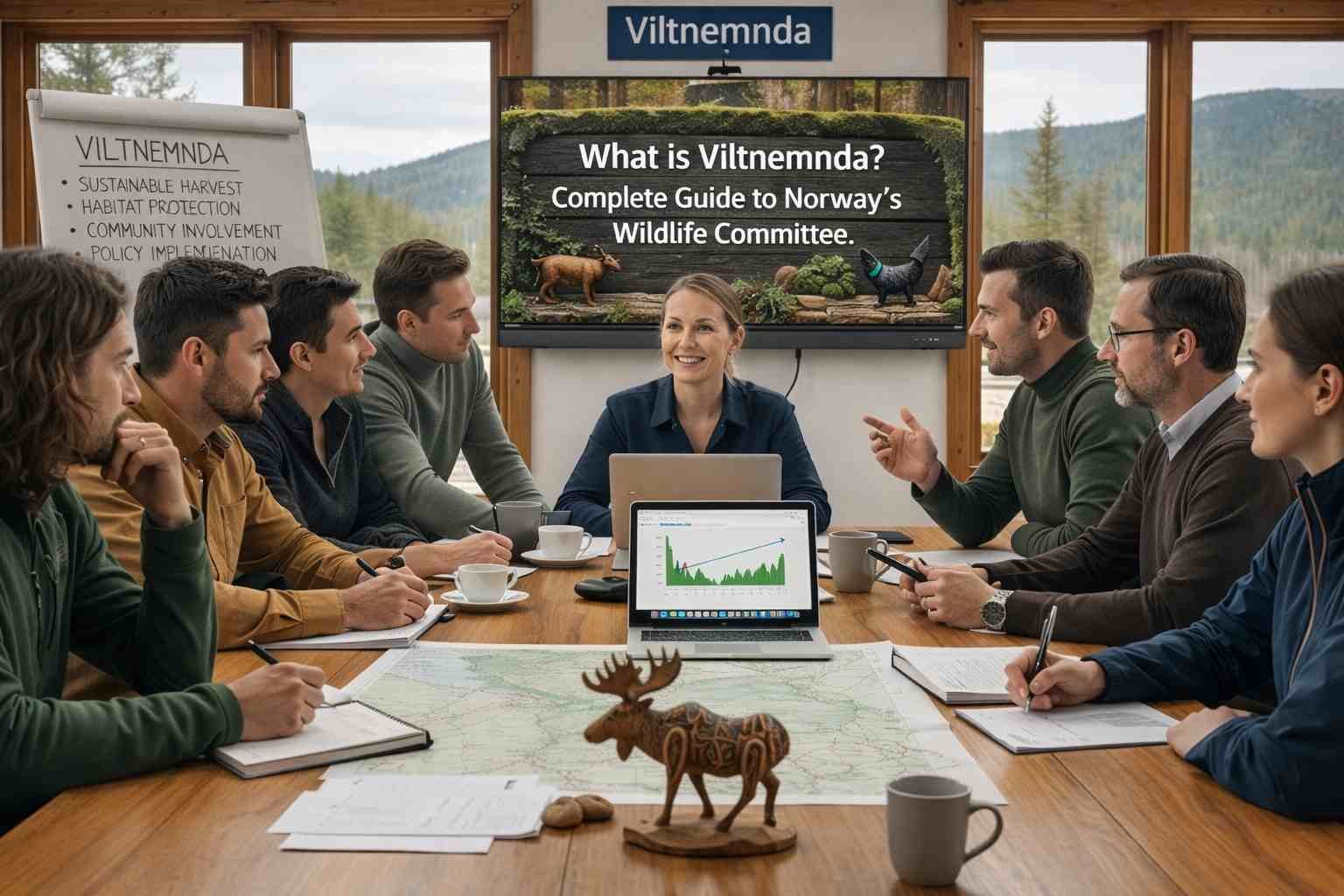
What is Viltnemnda? Complete Guide to Norway’s Wildlife Committee
Viltnemnda Explained: Role in Norwegian Wildlife Management
Viltnemnda is a local wildlife committee in Norway. It helps manage wild animals and makes sure hunting and conservation follow national laws. The committee works at the municipal level and supports safe and sustainable wildlife management.
Viltnemnda plays an important role in controlling animal populations, reducing human–wildlife conflicts, and protecting biodiversity. It acts as a link between the government and local communities to keep Norway’s wildlife system balanced and organized.
Background & Legal Framework
History and Purpose of Viltnemnda in Norway
Viltnemnda was created to help local governments manage wildlife in a structured and responsible way. As wildlife populations grew and hunting activities increased, Norway needed a local authority to control and monitor these matters. The main purpose of Viltnemnda is to ensure sustainable wildlife management while protecting nature and public safety.
Legal Framework Behind Viltnemnda (Wildlife Act & Nature Diversity Act)
Viltnemnda works under Norway’s Wildlife Act and Nature Diversity Act. These laws set rules for hunting, species protection, and biodiversity conservation. The committee follows these national regulations while making local wildlife decisions. This legal framework ensures that all actions support environmental balance and long-term sustainability.
Core Responsibilities
Main Duties and Responsibilities of Viltnemnda
Viltnemnda is responsible for managing wildlife at the local level. The committee monitors animal populations, supports conservation efforts, and ensures that hunting follows national laws. It also advises municipal councils on wildlife-related matters.
How Viltnemnda Manages Wildlife Populations?
The committee tracks animal numbers and studies their impact on the environment. Based on data and local reports, Viltnemnda helps maintain a balanced ecosystem and prevents overpopulation or species decline.
Viltnemnda and Hunting Quotas Regulation
One of the key roles of Viltnemnda is setting hunting quotas. The committee decides how many animals can be legally hunted each season to ensure sustainability and protect biodiversity.
Injured and Dead Wildlife Response System
Viltnemnda also handles cases of injured or dead wildlife. This includes responding to road accidents, monitoring disease risks, and ensuring proper reporting to local authorities.
Human–Wildlife Conflict Management
How Viltnemnda Handles Human–Wildlife Conflicts?
Viltnemnda helps reduce problems between people and wildlife. The committee monitors conflict areas and takes steps to prevent accidents or damage caused by animals like moose, deer, or foxes.
Crop Damage, Livestock Protection & Public Safety Measures
Viltnemnda works with farmers and local residents to protect crops and livestock. It recommends fences, warning signs, and other preventive measures. The committee also ensures public safety by managing dangerous wildlife and reducing risks on roads and near communities.
Structure & Governance
Who Are the Members of Viltnemnda?
Viltnemnda is made up of local people like hunters, farmers, scientists, and government representatives. These members work together to make decisions about wildlife in their area.
How Viltnemnda Is Formed and Operated
The committee is appointed by the local municipality. Members meet regularly to discuss wildlife issues, set hunting quotas, and plan conservation activities.
Role of Local Municipal Authorities in Wildlife Governance
Local authorities support Viltnemnda by providing resources, guidance, and legal backing. They ensure that the committee’s decisions follow national laws and help with public communication and safety.
Community & Public Role
Public Involvement in Viltnemnda Decisions
Local people can share their views with Viltnemnda. Farmers, hunters, and residents often give feedback about wildlife issues, helping the committee make better decisions.
Wildlife Education and Community Awareness Programs
Viltnemnda runs programs to teach people about wildlife, safe hunting, and conservation. These activities help the community understand how to live safely with nature and protect local animals.
Modern Technology & Monitoring
Technology Used by Viltnemnda for Wildlife Monitoring
Viltnemnda uses modern tools to keep track of wildlife. These tools help the committee collect accurate information about animal numbers and their movements.
GPS Tracking, Drones & Data-Based Wildlife Management
The committee uses GPS trackers, drones, and cameras to monitor animals. This data helps them make smart decisions for hunting, conservation, and reducing conflicts with humans.
Benefits & Challenges
Why Viltnemnda Is Important for Biodiversity
Viltnemnda helps protect different types of animals and plants in Norway. By managing hunting and monitoring wildlife, the committee keeps ecosystems balanced and nature healthy.
Challenges Faced by Viltnemnda in Modern Wildlife Management
Viltnemnda faces challenges like increasing human–wildlife conflicts, changes in animal populations, and the need for better technology. They also work to balance the needs of people, farmers, and hunters with conservation goals.
Comparison & Future Outlook
Viltnemnda vs Other Wildlife Authorities in Europe
Viltnemnda is similar to other European wildlife committees, but it focuses more on local community involvement. It combines hunting management, conservation, and public safety in one system, making it unique in Norway.
Future of Wildlife Governance in Norway
In the future, Viltnemnda will likely use more technology and data to manage wildlife better. The committee will continue balancing nature protection with human needs and help keep Norway’s wildlife system strong and sustainable.
FAQ’s
What is Viltnemnda?
Viltnemnda is a local wildlife committee in Norway. It manages animals, hunting, and conservation at the municipal level.
Who are the members of Viltnemnda?
Members include hunters, farmers, scientists, and local officials. They work together to make wildlife decisions.
What does Viltnemnda do?
It monitors wildlife, sets hunting quotas, manages conflicts, and supports conservation efforts.
Is Viltnemnda a government body?
Yes, it follows Norwegian laws but operates locally in each municipality.
How does Viltnemnda help local communities?
It protects crops, livestock, and public safety while involving residents in wildlife decisions.
How can citizens contact Viltnemnda?
People can reach their local municipal office to report issues or give feedback about wildlife.
Conclusion
Viltnemnda is a key part of Norway’s wildlife management system. It helps balance nature, hunting, and community needs while protecting biodiversity. By monitoring animals, setting hunting quotas, handling conflicts, and educating the public, Viltnemnda ensures that wildlife and humans can coexist safely.
With local involvement, modern tools, and a clear legal framework, Viltnemnda sets an example for sustainable wildlife governance. Its work shows how communities and authorities can work together to preserve nature for future generations.
Looking for more Article? Check out my website for the latest content.