
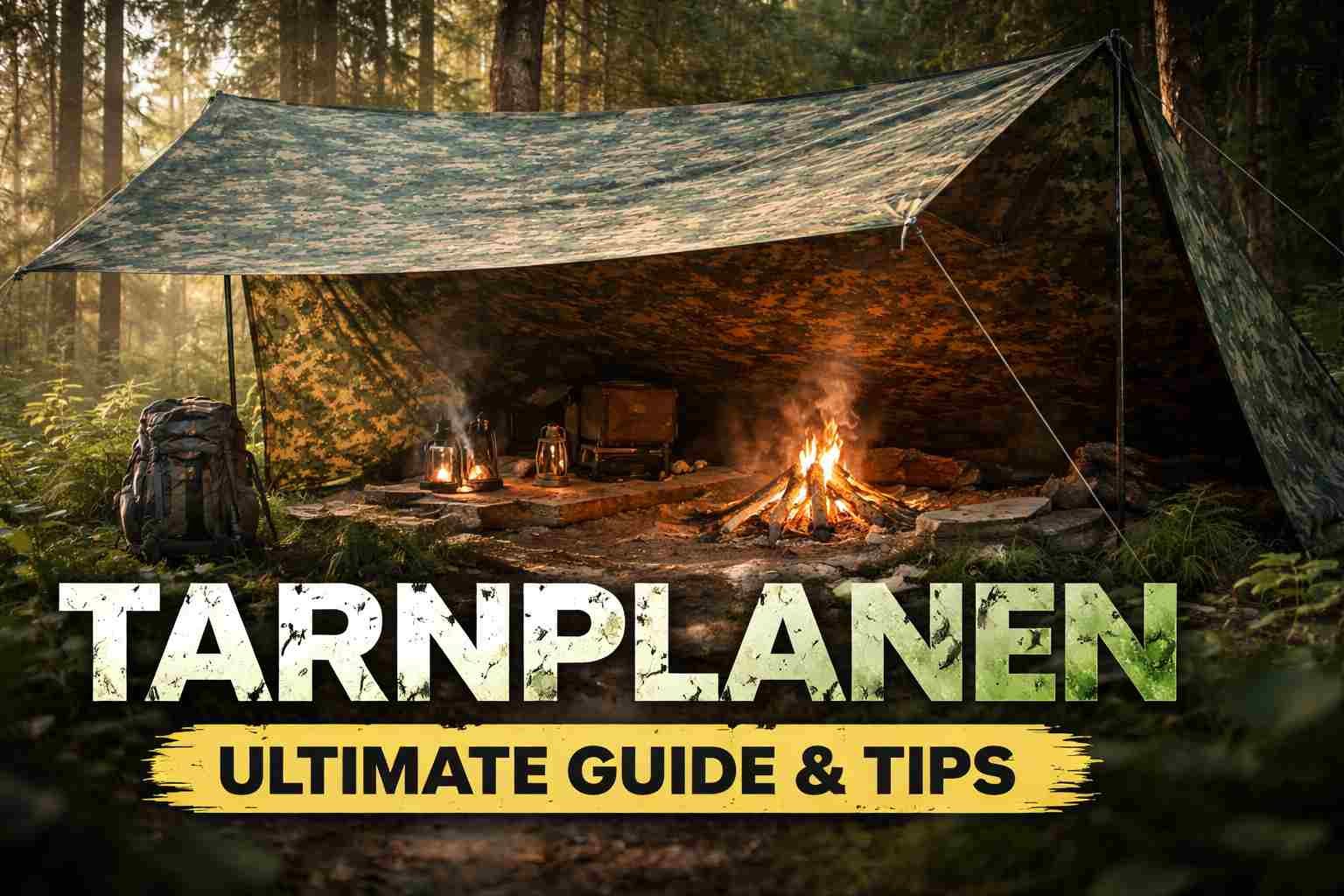
Tarnplanen Explained: Uses, Benefits, Setup Guide & Buying Tips (2026)
Tarnplanen is a special type of camouflage tarp used for outdoor protection and concealment. The word comes from German, where “tarn” means camouflage and “planen” means tarp or sheet. It is designed to blend into natural environments like forests, mountains, and fields. Because of its strong material and weather resistance, tarnplanen is popular among campers, hikers, hunters, and survival experts.
Today, tarnplanen is not only used for military purposes but also for camping, bushcraft, and emergency shelters. It protects against rain, wind, and sunlight while helping users stay hidden in nature. With its lightweight design and multiple setup options, tarnplanen has become an essential outdoor gear for adventure lovers in 2026.
Meaning & Origin of Tarnplanen
The word Tarnplanen comes from German. “Tarn” means camouflage or to hide, while “Planen” refers to a tarpaulin or protective sheet. Together, Tarnplanen literally means a camouflage tarp designed to blend into natural surroundings. These tarps are made to match the colors and textures of forests, grasslands, or snowy landscapes, helping outdoor enthusiasts and professionals stay hidden from view.
Tarnplanen was originally developed for military use. German soldiers used these camouflage tarps to conceal tents, equipment, and supplies while also protecting them from rain, wind, and harsh weather. Over the years, the use of Tarnplanen expanded beyond the military. Hunters, campers, bushcrafters, and survival experts began using them as versatile outdoor tools. Today, Tarnplanen is recognized worldwide as an essential piece of outdoor gear, offering both protection and concealment for anyone spending time in nature.
How Tarnplanen Works?
Tarnplanen works by using camouflage to blend into the natural environment, making objects or shelters less visible. The science behind it is simple but effective. Its patterns are designed to mimic colors and textures found in forests, grasslands, deserts, or snowy landscapes. By breaking up the outline of a tent, equipment, or shelter, Tarnplanen prevents the human eye or animals from easily detecting it.
The material and design also play an important role. Tarnplanen is made from fabrics that reduce shine and reflectivity, so sunlight or artificial light does not reveal the tarp. The textures and irregular patterns create a visual disruption, which is a key principle in camouflage. When set up correctly, Tarnplanen allows outdoor enthusiasts to remain protected from the elements while staying hidden, whether for camping, wildlife observation, hunting, or survival purposes. In essence, Tarnplanen combines natural color patterns, thoughtful design, and durable materials to provide both concealment and shelter, making it a highly effective outdoor tool.
Types of Tarnplanen
Tarnplanen comes in several types, each designed for different outdoor needs. Understanding these types helps you choose the right tarp for your adventure.
Lightweight
Lightweight Tarnplanen is easy to carry and perfect for hikers, backpackers, and campers who need mobility. These tarps are made from thin yet durable fabrics that provide protection from rain and sun while adding minimal weight to your gear. Despite being light, they still offer effective camouflage in forests or open landscapes.
Heavy-Duty
Heavy-duty Tarnplanen is designed for more demanding conditions. Made from thicker, reinforced materials, it can withstand strong winds, heavy rain, and rough handling. This type is ideal for long-term shelters, survival situations, or covering valuable equipment. Its robust construction ensures it lasts longer, even in harsh outdoor environments.
Waterproof
Waterproof Tarnplanen is treated or coated to resist water completely. It keeps both people and equipment dry during rainy or wet conditions. This type is especially useful for camping in rainy seasons, creating emergency shelters, or using as a groundsheet in damp areas.
Multi-Layer Tactical
Multi-layer tactical Tarnplanen is designed for advanced outdoor use, often used by military or survival experts. It combines several layers of strong fabric with specialized camouflage patterns, offering maximum concealment and protection. This type can serve multiple purposes, such as covering large areas, creating hidden shelters, or reinforcing emergency setups in extreme conditions.
Materials Used in Tarnplanen
Polyester – Lightweight, strong, and resistant to stretching. Ideal for portable shelters and easy to carry during hiking or camping.
Nylon – Very strong and flexible, capable of withstanding rough outdoor conditions without tearing.
Polyethylene (PE) – Provides excellent waterproofing, keeping campers and equipment dry in wet or damp environments.
Reinforced Seams and Grommets – Strengthens the tarp, making it easier to secure with ropes or stakes.
Multi-Layer or Coated Fabrics – Some high-end Tarnplanen feature additional layers or coatings for UV protection, extra durability, and enhanced water resistance.
Camouflage Printing on Material – Helps the tarp blend into forests, grasslands, deserts, or snowy landscapes while maintaining strength and flexibility.
Camouflage Patterns & Environmental Matching
Tarnplanen comes in a variety of camouflage patterns designed to match different environments. The patterns mimic natural colors and textures found in forests, deserts, mountains, and snowy landscapes. Forest camouflage typically includes shades of green, brown, and black, helping the tarp blend with trees, bushes, and undergrowth. Desert patterns use beige, tan, and light brown tones to merge with sandy or rocky terrain, while snow camouflage uses white and gray to remain hidden in snowy areas.
The effectiveness of Tarnplanen depends not only on color but also on pattern design. Irregular shapes and contrasting patches help break up the outline of the tarp, making it harder to detect from a distance. Outdoor enthusiasts can select the right camouflage based on their location and purpose, whether it is camping, hunting, wildlife observation, or survival. Matching the environment ensures that the Tarnplanen provides both protection and concealment, making it a versatile and essential tool for anyone spending time outdoors.
Top Uses of Tarnplanen
Tarnplanen is a versatile tool that serves a wide range of outdoor purposes. Its combination of durability, camouflage, and weather protection makes it valuable for both recreational and professional use.
Camping
For campers, Tarnplanen provides a reliable shelter against rain, wind, and sun. It can be used as a tent cover, groundsheet, or makeshift shelter in the wilderness. Its lightweight and portable design make it easy to carry, set up, and adjust according to different campsite needs. By blending into the natural environment, it also ensures that the campsite remains discreet and unobtrusive.
Hunting
Hunters rely on Tarnplanen to conceal themselves and their equipment. Using the camouflage patterns, hunters can create blinds or hideouts that make it easier to observe wildlife without being noticed. It also protects gear from the elements, allowing hunters to stay in position for longer periods.
Survival
In survival situations, Tarnplanen becomes an essential tool. It can be used to build emergency shelters, cover supplies, or create windbreaks. Its waterproof and durable materials make it suitable for harsh weather, while the camouflage helps maintain a low profile in wilderness areas. Survival experts often carry a Tarnplanen as a multipurpose item that can adapt to a wide range of outdoor emergencies.
Military
Tarnplanen has a long history of military use. Soldiers use it to conceal equipment, build temporary shelters, or protect supplies from rain and sun. Its design allows military personnel to operate in open terrain without being easily detected, making it a critical part of tactical operations.
Emergency Situations
Beyond survival and military use, Tarnplanen is effective in general emergencies. During floods, storms, or other natural disasters, it can be used to create temporary shelter or cover damaged areas. Its durability and water-resistant features make it a practical tool for protecting people and belongings when conventional shelters are unavailable.
Everyday Protection
Even outside extreme situations, Tarnplanen is useful in daily life. It can cover garden equipment, vehicles, or outdoor furniture, protecting them from rain, sun, and dust. Its camouflage patterns may also provide discreet protection in backyards or public areas.
Benefits of Using Tarnplanen
- Tarnplanen provides excellent camouflage, helping you blend into natural environments for hunting, camping, or survival.
- It is weather-resistant, protecting you and your gear from rain, wind, and sun.
- The tarps are durable and long-lasting, able to withstand rough outdoor conditions.
- Tarnplanen is lightweight and portable, making it easy to carry on hikes or camping trips.
- It is versatile, usable as a shelter, groundsheet, emergency cover, or equipment protection.
- Multi-layer and reinforced versions offer extra strength and tactical advantage for survival or military use.
- It is eco-friendly when used repeatedly, reducing the need for disposable outdoor covers.
Tarnplanen vs Regular Tarps
Tarnplanen and regular tarps may look similar at first, but they serve very different purposes. Tarnplanen is designed specifically for outdoor concealment and durability. Its camouflage patterns allow it to blend into forests, deserts, or snowy landscapes, while regular tarps are usually a single color and do not offer any concealment. The fabric of Tarnplanen is often reinforced, waterproof, and treated to resist UV rays, making it more suitable for long-term outdoor use. Regular tarps are usually lighter and cheaper, but they may tear easily and offer limited protection in harsh weather conditions.
Here’s a simple comparison to understand the differences clearly:
| Feature | Tarnplanen | Regular Tarps |
| Camouflage | Yes, blends with natural terrain | No, usually solid colors |
| Material Strength | High, reinforced fabrics | Moderate, may tear easily |
| Weather Resistance | Waterproof and UV-resistant | Often limited water resistance |
| Outdoor Use | Camping, hunting, survival, military | General cover, basic protection |
| Portability | Lightweight but strong | Lightweight, less durable |
| Versatility | Multi-purpose (shelter, groundsheet, cover) | Limited applications |
Tarnplanen is the better choice for serious outdoor enthusiasts who need protection, durability, and concealment. Regular tarps may work for simple covering tasks, but they cannot match the specialized design and adaptability of Tarnplanen in outdoor adventures.
How to Choose the Right Tarnplanen? (Buying Guide)
Size and Coverage
When selecting a Tarnplanen, consider the size you need based on your intended use. A larger tarp can cover more equipment or create bigger shelters, while a smaller tarp is easier to carry and set up for quick camping trips. Think about the number of people it will shelter and the gear you plan to protect.
Material and Durability
Choose a Tarnplanen made from strong, durable fabrics like polyester, nylon, or polyethylene. Heavier materials provide extra strength for long-term use, while lighter options are better for hiking and backpacking. Also, check for reinforced seams and sturdy eyelets to ensure it can handle outdoor stress.
Camouflage Pattern
Pick a camouflage pattern that matches your environment. Forest patterns work well in wooded areas, desert tones blend into sandy or rocky regions, and snow patterns are ideal for winter conditions. Matching the environment enhances both concealment and aesthetic integration.
Weather Resistance
Consider the tarp’s waterproofing and UV resistance. A good Tarnplanen should keep you and your equipment dry during rain and protect against sun damage. Multi-layer or coated tarps offer extra protection in extreme weather conditions.
Portability and Setup
Think about how easy it is to carry and set up the tarp. Lightweight tarps are ideal for hiking and bushcraft, while heavier options are better for semi-permanent campsites. Look for designs that allow quick setup with ropes or stakes.
Additional Features
Some Tarnplanen come with extra features such as multiple layers, reinforced edges, or modular designs that can connect several tarps together. Consider these features if you need advanced setups for survival, military, or large outdoor projects.
How to Set Up Tarnplanen (Step-by-Step Guide)?
Setting up a Tarnplanen is simple if you follow these easy steps. Here’s how you can do it for camping, bushcraft, or outdoor shelter purposes:
Step 1: Choose a Location
Pick a flat and dry area for your shelter. Make sure it is free of sharp rocks or sticks that could damage the tarp.
Step 2: Unfold the Tarnplanen
Lay the tarp flat on the ground. Check which side has the camouflage pattern if it has a visible top side.
Step 3: Secure the Corners
Use ropes, stakes, or pegs to secure the corners of the tarp. If the tarp has reinforced grommets, thread the rope through them for extra strength.
Step 4: Create the Shape
Decide your shelter type. You can make a simple lean-to, an A-frame, or a flat ground cover. Adjust the ropes to create tension and keep the tarp stable.
Step 5: Adjust Height and Angle
For better protection from wind or rain, set the tarp at an angle. Higher sides can allow airflow while still protecting you from the elements.
Step 6: Add Support if Needed
Use nearby trees, poles, or sticks to support the tarp and keep it taut. A tight setup prevents sagging and water pooling.
Step 7: Check Stability
Walk around the tarp and make sure all corners are secure. Adjust ropes or stakes if needed to prevent movement or flapping in the wind.
By following these steps, you can quickly set up a Tarnplanen for camping, hunting, or survival situations. It provides protection, shelter, and camouflage in any outdoor environment.
Maintenance & Care Tips
Keeping your Tarnplanen in good condition is simple. Always clean it after use by removing dirt, leaves, and debris. If it gets wet, let it dry completely before folding to prevent mold or mildew. Store it in a cool, dry place away from direct sunlight. Avoid sharp objects that can tear the fabric, and check seams and grommets regularly for damage. Proper care ensures your Tarnplanen lasts longer and stays effective for all your outdoor adventures.
Common Mistakes to Avoid
Many people make simple mistakes when using Tarnplanen, which can reduce its effectiveness. One common mistake is not choosing the right size or camouflage pattern for the environment, making the tarp less useful. Another error is setting it up loosely, which can cause sagging or water pooling. Some people forget to check for tears, weak seams, or damaged grommets before use, leading to unexpected problems outdoors. Leaving the Tarnplanen wet or dirty when storing it can also cause mold and reduce its lifespan. By avoiding these mistakes, you can keep your Tarnplanen strong, reliable, and ready for any outdoor adventure.
Safety & Legal Considerations
When using Tarnplanen outdoors, it is important to follow basic safety and legal rules. Always choose a safe location to set up your tarp, away from unstable trees, steep slopes, or flood-prone areas. Make sure the ropes and stakes are secure to avoid accidents or injuries.
Legally, camouflage tarps can sometimes be sensitive in certain areas. For example, using Tarnplanen to hide activities on private property without permission can cause legal problems. In some regions, military-style camouflage may be restricted in public spaces. Always check local rules and regulations before using Tarnplanen, and respect private property and wildlife. By following these safety and legal guidelines, you can enjoy your outdoor activities responsibly and without risk.
FAQs About Tarnplanen
1. What is Tarnplanen used for?
Tarnplanen is used for outdoor shelter, camping, hunting, survival, and military purposes. It provides protection from rain, wind, and sun while blending into natural surroundings.
2. What materials are Tarnplanen made of?
Tarnplanen is usually made of polyester, nylon, or polyethylene. These materials make it durable, waterproof, and long-lasting for outdoor use.
3. How do I choose the right Tarnplanen?
Choose based on size, material, camouflage pattern, and weather resistance. Consider where you will use it and whether you need a lightweight or heavy-duty version.
4. Can Tarnplanen be used in all weather?
Yes, Tarnplanen is designed to be weather-resistant. Waterproof and UV-protected versions work well in rain, sun, and even snow.
5. How do I set up Tarnplanen properly?
Pick a flat area, secure corners with ropes or stakes, and create a shelter shape like a lean-to or A-frame. Make sure it is tight and stable to prevent sagging.
6. How do I care for my Tarnplanen?
Clean it after each use, let it dry completely before storing, and keep it in a cool, dry place. Avoid sharp objects to prevent tears and check seams and grommets regularly.
7. Is Tarnplanen better than a regular tarp?
Yes, Tarnplanen offers camouflage, stronger material, and better weather protection. Regular tarps are cheaper but less durable and visible.
8. Can Tarnplanen be used for emergencies?
Absolutely. It can serve as an emergency shelter, ground cover, or windbreak in survival situations, storms, or other outdoor emergencies.
Conclusion:
Tarnplanen is a versatile and reliable outdoor tool that offers shelter, camouflage, and protection in all kinds of environments. From camping and hunting to survival and emergency situations, it combines durability, weather resistance, and practicality. Choosing the right Tarnplanen and using it properly ensures a safe and comfortable outdoor experience. Whether for adventure or safety, Tarnplanen is an essential piece of gear for anyone who spends time in nature.
Looking for more Article? Check out my website for the latest content.