
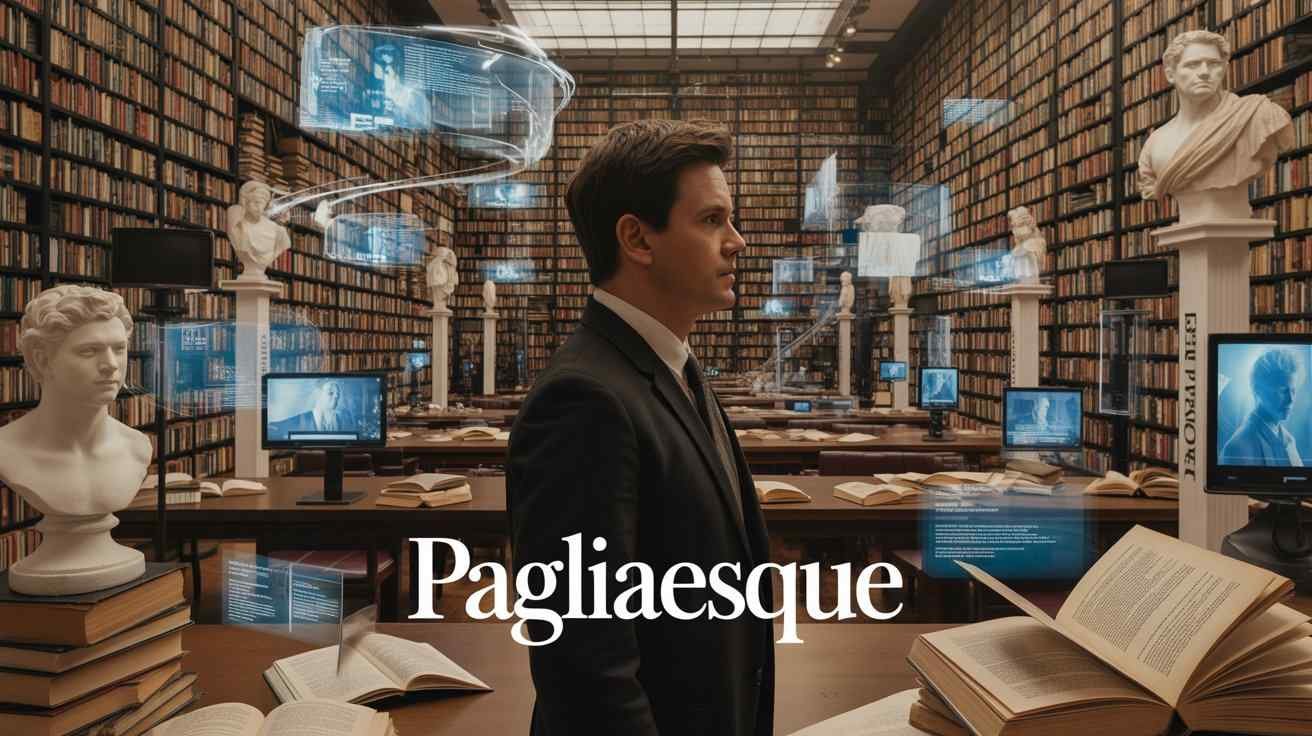
Pagliaesque: The Rise of a Fearless Cultural Voice
Introduction
The word “pagliaesque” has become more than just a descriptive label. It now represents a bold, fearless, and deeply analytical style of thinking that challenges accepted ideas. In today’s world, where opinions often become simplified into short social media trends, the pagliaesque approach stands out because it values depth, confrontation, and intellectual independence.
People are drawn to the pagliaesque style because it refuses to follow cultural trends blindly. Instead, it asks difficult questions and explores topics from unusual angles. Whether discussing art, politics, gender, media, or history, this style often combines passion with sharp criticism. That combination makes it memorable and sometimes controversial.
Modern audiences are especially interested in voices that feel authentic. The pagliaesque tone feels raw and unapologetic. Even those who disagree with it often admit that it creates conversation and forces people to think more carefully about their beliefs.
In a time dominated by fast opinions and short attention spans, the pagliaesque mindset reminds people that serious cultural discussion still matters. That is one reason the term continues to gain attention across blogs, podcasts, universities, and online debates.
The Origins of “Pagliaesque” and the Intellectual Legacy Behind It
The term “pagliaesque” is closely connected to a style of criticism that mixes literature, history, psychology, art, and social commentary. It reflects an intellectual tradition that values independent thinking over group approval. The word itself is often used to describe arguments that are bold, provocative, and emotionally intense.
At its core, the pagliaesque approach comes from a belief that culture should be examined honestly, even when the truth feels uncomfortable. Instead of avoiding controversial subjects, it explores them directly. This willingness to confront difficult topics has made the style both respected and criticized over the years.
One reason the pagliaesque legacy remains influential is because it does not fit neatly into a single political or cultural category. It often combines ideas from different perspectives, which makes it difficult to label. That unpredictability is part of what keeps audiences interested.
The intellectual roots of the pagliaesque style also connect to older traditions of public debate and literary criticism. It reflects a time when thinkers were expected to challenge society rather than simply agree with popular opinion.
How the Pagliaesque Style Challenges Conventional Cultural Thinking
A major feature of the pagliaesque style is its refusal to accept mainstream cultural ideas without questioning them. Many people follow trends because they fear criticism or social rejection. The pagliaesque mindset does the opposite by encouraging open disagreement and intellectual risk-taking.
This style challenges cultural thinking by pointing out contradictions in society. For example, it may question how modern media shapes identity or how entertainment influences political beliefs. Instead of accepting simplified narratives, it looks for hidden motivations and deeper meanings.
The pagliaesque approach also values historical context. Many modern discussions focus only on current emotions, but this perspective often compares present-day culture with ideas from ancient history, philosophy, and literature. That broader view creates richer conversations.
Because of this, pagliaesque commentary can feel intense. It does not always aim to make people comfortable. Instead, it pushes readers and listeners to reconsider assumptions they may have never questioned before.
The Psychology Behind Pagliaesque Writing and Bold Expression
Pagliaesque writing is emotionally powerful because it combines confidence with intellectual depth. Readers often respond strongly to it because it feels personal and passionate rather than distant or academic.
Psychologically, people are attracted to bold expression because it creates emotional energy. A pagliaesque argument often uses dramatic comparisons, vivid language, and sharp observations to hold attention. This makes the writing memorable even when readers disagree with the message.
Another important factor is authenticity. Modern audiences are tired of overly polished communication that feels artificial. Pagliaesque writing feels direct and human. It expresses strong opinions openly instead of hiding behind vague language.
There is also a rebellious element in this style. Many people secretly admire individuals who speak honestly despite criticism. The pagliaesque mindset appeals to readers who value independence and intellectual courage.
Pagliaesque Perspectives on Art, Media, and Popular Culture
The pagliaesque view of art and media is deeply analytical. It treats movies, music, fashion, and literature as reflections of human psychology and social change rather than simple entertainment.
For example, a pagliaesque interpretation of a popular film might focus on themes of power, desire, identity, or rebellion. Instead of discussing only surface-level details, it examines the cultural meaning behind creative work.
This perspective also believes that art should provoke emotion and challenge audiences. Safe or predictable creativity is often seen as less meaningful. From this viewpoint, truly powerful art forces people to confront difficult truths about themselves and society.
In popular culture, the pagliaesque approach often critiques celebrity culture, media trends, and online behavior. It argues that modern society sometimes values popularity over substance. This criticism resonates with audiences who feel overwhelmed by constant digital noise.
Why Pagliaesque Commentary Feels Provocative Yet Influential
One reason pagliaesque commentary feels provocative is because it avoids politically safe language. Instead of trying to please everyone, it often prioritizes honesty and intensity. That style naturally creates strong reactions.
However, controversy alone does not explain its influence. The deeper reason is that pagliaesque commentary usually contains intellectual substance beneath the provocative tone. It combines cultural analysis with emotional conviction, making it difficult to ignore.
Influential commentary often succeeds because it sparks debate. People remember ideas that challenge them emotionally or intellectually. Even critics contribute to the spread of pagliaesque thinking by responding to it publicly.
The internet has amplified this effect. Podcasts, video essays, social media discussions, and online publications allow bold cultural commentary to reach global audiences instantly. As a result, pagliaesque perspectives continue influencing modern debate.
The Evolution of Pagliaesque Thought in the Digital Era
The digital age has transformed how pagliaesque ideas spread. In the past, intellectual debate mainly happened through books, magazines, and universities. Today, discussions happen across YouTube, podcasts, forums, and social media platforms.
This shift has created both opportunities and challenges. On one hand, digital platforms allow independent thinkers to reach massive audiences without traditional gatekeepers. On the other hand, online culture often rewards outrage and oversimplification.
The pagliaesque style fits surprisingly well into digital culture because it is dramatic, emotionally charged, and discussion-driven. Clips of intense interviews or controversial opinions often go viral because they attract strong emotional reactions.
At the same time, the internet can sometimes reduce complex arguments into short quotes or headlines. That creates misunderstandings. True pagliaesque analysis usually depends on nuance, historical context, and long-form discussion.
How Pagliaesque Ideas Shape Human Communication and Debate
Communication shaped by pagliaesque thinking tends to be direct, analytical, and emotionally expressive. It values honesty over politeness and intellectual independence over social conformity.
This style influences debate by encouraging people to defend their ideas with confidence. Instead of avoiding disagreement, it treats debate as a healthy part of cultural growth. Supporters believe society improves when difficult conversations happen openly.
The pagliaesque approach also highlights the emotional side of communication. Many arguments are driven not only by facts but also by fear, desire, identity, and power. Recognizing those emotional forces can lead to deeper understanding.
In modern communication, where many conversations become superficial, the pagliaesque mindset encourages people to think critically and speak with conviction.
The Relationship Between Pagliaesque Criticism and Creative Freedom
Creative freedom is central to pagliaesque criticism. This perspective argues that artists, writers, and thinkers should not feel pressured to follow strict ideological rules.
Many supporters believe creativity becomes weaker when people fear public backlash. The pagliaesque approach defends the idea that art should remain unpredictable, provocative, and emotionally honest.
This does not mean every controversial idea is automatically valuable. Instead, it means creative expression should have room for experimentation and disagreement. Great art often challenges society before society fully understands it.
The relationship between criticism and freedom is important because culture grows through debate. Pagliaesque criticism keeps that debate alive by resisting censorship and intellectual uniformity.
Pagliaesque Language, Symbolism, and the Power of Intellectual Style
Language plays a major role in pagliaesque expression. The style often uses dramatic metaphors, historical references, and emotionally intense descriptions. This creates a sense of intellectual energy that captures attention.
Symbolism is also important. A pagliaesque analysis may connect modern events with ancient myths, religious imagery, or classical literature. These symbolic connections make cultural discussions feel larger and more meaningful.
Strong intellectual style matters because people remember emotionally vivid communication more than neutral explanations. A bold phrase or striking comparison can influence public conversation for years.
This is why the pagliaesque voice feels distinctive. It combines intellectual depth with theatrical intensity, creating a style that is both analytical and emotionally engaging.
Why Younger Audiences Are Rediscovering the Pagliaesque Mindset
Younger audiences are increasingly interested in pagliaesque ideas because many feel frustrated with shallow online discussions. They want deeper conversations about identity, creativity, culture, and meaning.
The pagliaesque mindset also appeals to young people who value authenticity. In a world filled with carefully managed online images, bold honesty feels refreshing. Even controversial opinions can attract attention when they seem genuine.
Another reason for renewed interest is the popularity of podcasts and long-form interviews. These formats allow more detailed cultural discussion than short social media posts. As a result, intellectual debate has become more accessible to younger generations.
Many young readers also appreciate perspectives that challenge ideological extremes. The pagliaesque approach often refuses to fit neatly into political categories, which makes it attractive to independent thinkers.
The Future of “Pagliaesque”: Trends, Influence, and Cultural Shifts
The future of pagliaesque thinking will likely depend on how culture responds to growing social and technological change. As debates around identity, media, censorship, and creativity continue, bold intellectual voices may become even more influential.
One possible trend is the rise of independent cultural commentators who build audiences outside traditional media systems. The internet allows unique voices to grow without relying on major institutions.
Artificial intelligence and digital media may also increase interest in authentic human expression. As automated content becomes more common, emotionally intense and intellectually fearless commentary could feel more valuable.
At the same time, future pagliaesque voices will face strong criticism and public pressure. The challenge will be balancing intellectual freedom with responsible discussion in an increasingly connected world.
Common Misunderstandings About the Pagliaesque Approach
One common misunderstanding is that pagliaesque commentary exists only to shock people. While it can be provocative, its deeper purpose is usually cultural analysis and intellectual challenge.
Another misunderstanding is that bold criticism automatically means negativity. In reality, the pagliaesque style often reflects passion for art, culture, and intellectual honesty. The intensity comes from caring deeply about ideas.
Some people also assume that provocative thinkers reject empathy or nuance. However, many pagliaesque arguments actually explore human complexity in great detail. They simply avoid oversimplified moral conclusions.
Understanding the pagliaesque approach requires looking beyond headlines and emotional reactions. The style is most meaningful when explored thoughtfully and critically.
Conclusion: What “Pagliaesque” Reveals About Modern Culture and Identity
The term “pagliaesque” represents more than a communication style. It reflects a larger cultural desire for fearless thinking, honest debate, and intellectual independence. In an era dominated by fast opinions and digital trends, that approach continues to stand out.
People are drawn to pagliaesque ideas because they combine emotional energy with serious cultural analysis. Whether discussing art, media, politics, or psychology, this style pushes audiences to think more deeply about society and themselves.
The continued popularity of pagliaesque commentary shows that modern audiences still value strong voices willing to challenge conventional thinking. Even when controversial, those voices keep public conversation alive.
As culture evolves, the pagliaesque mindset will likely remain influential because it represents something timeless: the human desire to question, debate, and search for meaning beyond surface-level ideas.
FAQs
What does “pagliaesque” mean?
The term “pagliaesque” describes a bold, provocative, and intellectually intense style of cultural criticism and commentary.
Why is the pagliaesque style considered controversial?
It often challenges mainstream ideas directly and discusses sensitive cultural topics without using overly cautious language.
How is pagliaesque thinking connected to art and media?
The pagliaesque approach views art and media as reflections of human psychology, social change, and cultural identity.
Why are younger audiences interested in pagliaesque ideas?
Many young people appreciate its authenticity, independent thinking, and willingness to explore deeper cultural questions.
Is pagliaesque commentary only about criticism?
No. While it includes criticism, it also explores creativity, intellectual freedom, cultural analysis, and human behavior in meaningful ways.