
Keibann: The Modern Concept Transforming Efficiency and Workflow
Introduction: Why Keibann Is Gaining Attention in 2026
In a world where businesses are always looking for smarter ways to work, keibann has started gaining serious attention. While the term may sound unfamiliar to many people, the idea behind it is simple and practical. Keibann is all about creating organized systems that help people manage tasks, reduce waste, and work more efficiently.
Over the past few years, companies have realized that productivity is not just about working harder. It is about working in a structured way. Keibann supports this mindset by helping teams visualize what needs to be done, what is in progress, and what has already been completed.
In 2026, more organizations are exploring keibann because it offers a flexible approach to managing workflows. Whether you run a small business, work remotely, or manage a large team, the principles of keibann can make daily operations smoother and easier to understand.
As digital tools continue to evolve, keibann is becoming a useful concept for anyone who wants more clarity and better control over work processes.
What Is Keibann? Understanding the Meaning Behind the Buzzword
Keibann is a modern workflow and productivity concept focused on visibility, structure, and continuous improvement. At its core, it helps individuals and teams organize tasks in a clear and manageable way.
The term is often associated with visual management systems. Instead of keeping everything in your head or scattered across emails and notes, keibann encourages you to create a system where work is easy to track.
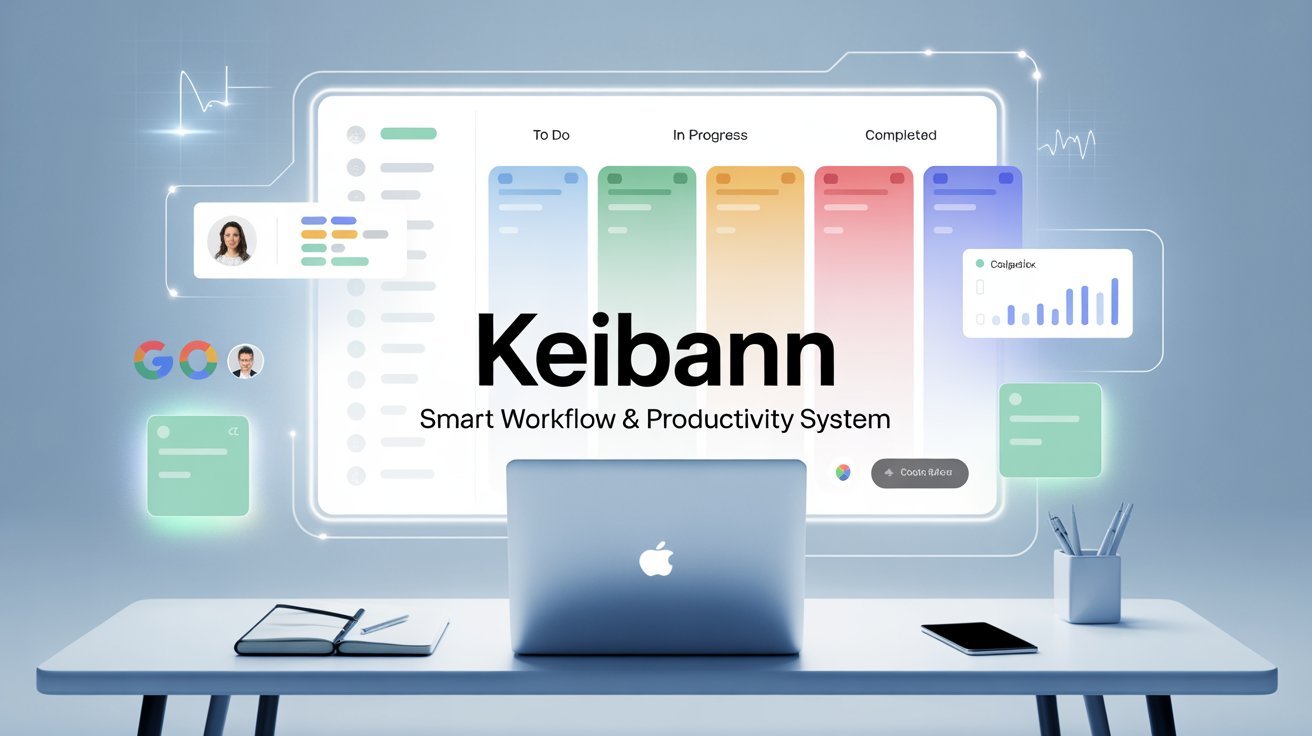
Think of a board divided into sections such as “To Do,” “In Progress,” and “Completed.” Each task moves through these stages, giving everyone a real-time view of progress.
This simple method reduces confusion and allows people to focus on what matters most. Keibann is not about adding complexity. It is about making work easier to understand and execute.
The Origins of Keibann and Its Connection to Japanese Innovation
The idea behind keibann is inspired by Japanese management philosophies that emphasize efficiency and continuous improvement. Many of these ideas became popular through manufacturing systems that transformed global business practices.
Japanese companies have long focused on reducing waste and improving workflows. Concepts like visual control, process transparency, and teamwork are central to these methods.
Keibann builds on these principles but adapts them for today’s digital and service-based environments. It is no longer limited to factories. It can be applied in offices, software teams, schools, and even personal productivity systems.
This connection to Japanese innovation gives keibann a strong foundation rooted in discipline, simplicity, and practical results.
Core Principles of Keibann: Simplicity, Structure, and Smart Execution
One of the biggest strengths of keibann is its simplicity. It breaks work into smaller tasks that are easy to see and manage. This makes even complex projects feel more organized.
Structure is another key principle. Every task has a clear place in the workflow, which reduces confusion and helps teams stay aligned.
Keibann also promotes smart execution. Instead of multitasking endlessly, it encourages people to focus on a limited number of tasks at a time.
Finally, keibann supports continuous improvement. Teams regularly review their workflow to identify bottlenecks and make adjustments that increase efficiency over time.
How Keibann Improves Productivity in Modern Work Environments
Productivity often suffers when priorities are unclear. Keibann solves this by showing exactly what needs attention and what can wait.
When team members can see the status of tasks, communication becomes easier. There is less need for constant updates or long meetings.
Keibann also reduces overload. By limiting work in progress, it helps people complete tasks before starting new ones.
The result is a more focused and efficient work environment where projects move forward steadily and with fewer interruptions.
Keibann in Business: Streamlining Teams, Projects, and Operations
Businesses use keibann to bring order to daily operations. It helps teams coordinate tasks, track deadlines, and monitor progress in real time.
Project managers appreciate keibann because it offers a clear overview of what is happening across the team. This visibility makes it easier to identify delays and reassign resources when needed.
Customer support teams can use keibann to manage requests. Marketing teams can track campaign development. Software teams can monitor feature releases.
Because it is adaptable, keibann works across many departments and business sizes.
Real-World Applications of Keibann Across Technology and Daily Life
Keibann is widely used in technology companies to manage product development and software updates. Developers can track bugs, new features, and testing stages with ease.
In education, teachers and students can use keibann boards to organize assignments and learning goals.
At home, individuals can apply keibann to plan chores, budgets, or personal projects. For example, someone renovating a room can move tasks from planning to purchasing to completion.
This flexibility makes keibann valuable in both professional and personal settings.
Key Benefits of Using Keibann for Growth and Efficiency
One major benefit of keibann is improved visibility. Everyone can see the status of work at a glance.
It also increases accountability. Tasks are assigned clearly, making ownership easy to understand.
Keibann helps reduce bottlenecks by revealing where work is getting stuck. Teams can address problems before they become major delays.
Most importantly, keibann creates a culture of steady improvement and better decision-making.
Common Misconceptions About Keibann You Should Know
Some people think keibann is only for large corporations. In reality, even freelancers and small businesses can benefit from it.
Others believe it is too rigid. The truth is that keibann is highly flexible and can be customized to fit different needs.
Another misconception is that keibann requires expensive software. While digital tools are helpful, a simple whiteboard or notebook can work just as well.
Keibann is not about complexity. It is about creating clarity.
Keibann vs Traditional Workflow Systems: What Makes It Different?
Traditional workflow systems often rely on lengthy reports, email updates, and static schedules. These methods can become hard to manage.
Keibann focuses on visual progress. Instead of searching through documents, teams can instantly understand what is happening.
It is also more adaptable. Tasks can be moved and reprioritized quickly as circumstances change.
This real-time flexibility makes keibann especially effective in fast-moving environments.
Challenges and Limitations of Implementing Keibann
Like any system, keibann requires consistency. If tasks are not updated regularly, the board loses its usefulness.
Teams may also need time to adjust to a more transparent way of working. Some people are not used to sharing progress openly.
For large projects, poor board design can create clutter. The solution is to keep the system simple and focused.
With proper setup and team commitment, these challenges are usually easy to overcome.
The Future of Keibann: Trends, Innovations, and Possibilities
The future of keibann looks promising as more organizations prioritize efficiency and adaptability.
Artificial intelligence and automation tools are making keibann systems even smarter. They can highlight delays, suggest priorities, and generate insights automatically.
Remote and hybrid work models also support the growth of keibann because visual workflows keep distributed teams aligned.
As work becomes more dynamic, keibann will likely play an even bigger role in productivity management.
Final Thoughts: Why Keibann Matters More Than Ever Today
Keibann is more than just a productivity trend. It is a practical way to bring clarity, focus, and efficiency to any workflow.
By making work visible and manageable, keibann helps individuals and teams stay organized and reduce unnecessary stress.
Whether you are managing a business, leading a project, or organizing your personal goals, keibann offers a simple system that delivers real results.
In today’s fast-paced world, keibann matters because it turns complexity into clarity.
Frequently Asked Questions About Keibann
What is keibann in simple terms?
Keibann is a visual workflow system that helps you organize tasks, track progress, and improve efficiency in work or daily life.
How does keibann improve productivity?
Keibann makes tasks visible, reduces confusion, and helps people focus on completing work before starting new tasks.
Is keibann only for businesses?
No. Keibann can be used by students, freelancers, families, and anyone who wants a better way to organize tasks.
Do I need special software to use keibann?
Not at all. You can use digital tools, a whiteboard, sticky notes, or even a notebook.
What is the difference between keibann and other workflow systems?
Keibann emphasizes visual management and real-time updates, making it easier to see progress and adjust priorities quickly.