
Facebim: A Smart BIM Platform for Better Construction Project Management
Construction projects involve many moving parts. Architects, engineers, contractors, and owners all need access to the same information. When data is scattered across emails, spreadsheets, and paper plans, mistakes happen.
That is where facebim comes in.
Facebim is a modern BIM platform designed to help construction teams manage building data in one place. It combines 3D building models, project documents, and collaboration tools to improve planning and communication. Platforms like Facebim are becoming increasingly important as digital construction continues to grow.
In this guide, you will learn what Facebim is, how it works, and why many professionals see it as a smarter way to manage construction projects.
What Is Facebim and Why Is It Getting Attention?
Facebim is a Building Information Modeling platform that helps construction teams organize and visualize project data. Instead of looking at separate drawings and files, users can access everything through one connected system.
The platform makes it easier to understand complex projects because all information is linked to a digital model. Users can click on building elements to view dimensions, materials, and technical details.
As construction projects become larger and more detailed, tools like Facebim help teams stay organized and reduce confusion.
The Meaning Behind Facebim
The name Facebim combines the idea of an intuitive “face” or interface with BIM, which stands for Building Information Modeling.
BIM is more than a 3D drawing. It is a digital representation of a building that includes geometry, schedules, materials, and lifecycle information.
Facebim focuses on making this data easier to access and understand.
How Facebim Fits into Modern Construction
Today’s construction industry relies heavily on digital tools.
Architects create intelligent models, engineers run simulations, and contractors track progress in real time.
Facebim acts as a central platform where all this information can be shared and reviewed by everyone involved.
How Building Information Modeling Works
Building Information Modeling creates a virtual version of a building before construction begins.
Each object in the model contains useful data. A wall may include thickness, fire rating, and material type. A door may include manufacturer details and maintenance instructions.
When one part of the model changes, related schedules and views update automatically.
This helps teams make better decisions and avoid inconsistencies.
Key Features That Make Facebim Useful
Facebim includes several features that support collaboration and project management.
Teams can view models online, attach documents, track updates, and coordinate tasks.
This reduces the need for endless email chains and file transfers.
The platform is designed to be useful for both technical and non-technical users.
3D Model Visualization
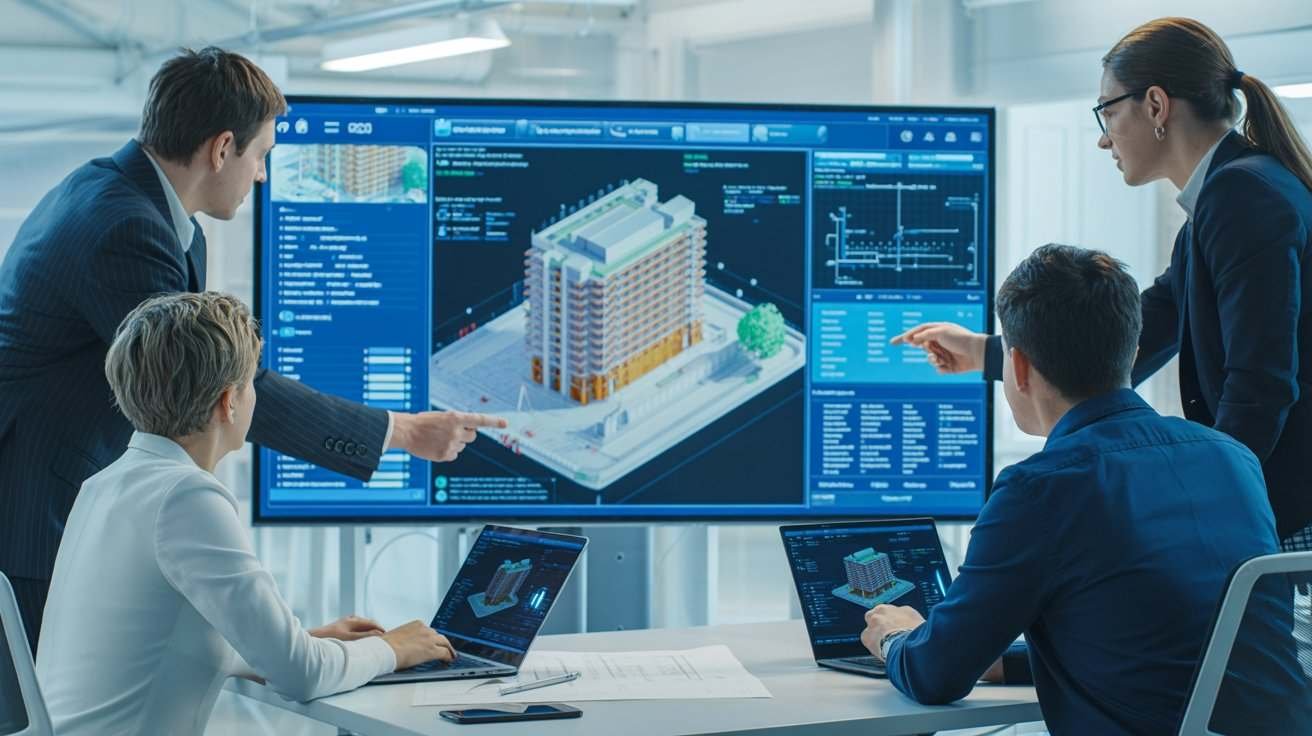
One of the most valuable features is interactive 3D viewing.
Users can rotate the model, zoom into details, and isolate specific components.
This makes it easier to understand building design and detect clashes before construction starts.
Visual tools are especially helpful when explaining ideas to clients.
Real-Time Team Collaboration
Facebim allows teams to work from the same set of data.
When new information is uploaded, everyone sees the latest version.
This improves coordination and reduces mistakes caused by outdated files.
Comments and issue tracking also help teams solve problems faster.
Benefits of Using Facebim in Construction Projects
Using a centralized BIM platform provides clear benefits.
Teams spend less time searching for documents and more time making decisions.
Project data becomes easier to understand and share.
This leads to better outcomes throughout the project.
Better Communication Between Teams
Construction involves many specialists.
Facebim gives all stakeholders a common reference point.
Instead of debating over different versions of drawings, teams review the same digital model.
This improves clarity and reduces misunderstandings.
Fewer Errors and Delays
Design conflicts can be found earlier.
Missing information is easier to spot.
Schedule and cost issues can be identified before they become expensive problems.
By improving visibility, Facebim helps reduce rework and delays.
Who Can Use Facebim?
Facebim is useful for a wide range of professionals.
Architects can present designs clearly.
Engineers can review technical systems.
Contractors can plan site work.
Owners can monitor project progress.
Facility managers can use the model after construction for maintenance and operations.
Because the platform is visual and intuitive, even non-technical stakeholders can understand the project more easily.
Facebim vs Traditional Project Management Methods
Traditional construction management often depends on paper drawings, spreadsheets, and email.
These tools can work, but they are hard to keep updated.
Information becomes fragmented, and teams may work from outdated documents.
Facebim solves this by centralizing project data.
Why Digital Tools Save Time
Digital tools reduce manual work.
Teams can quickly locate documents, review models, and track issues.
Changes are visible immediately.
This saves time and improves confidence in the information being used.
How Facebim Supports the Full Building Lifecycle
Facebim is valuable beyond the design phase.
During construction, teams use it to coordinate work and monitor progress.
After completion, owners can access maintenance information linked to building assets.
This makes the BIM model a long-term resource.
Instead of storing data in disconnected folders, everything remains organized in one platform.
Tips for Getting Started with Facebim
Start with a well-structured BIM model.
Organize files consistently.
Define who can upload, review, and approve information.
Train team members on how to navigate the platform.
Clear standards make adoption easier.
Best Practices for New Users
Begin with one project.
Use naming conventions for documents.
Schedule regular coordination meetings.
Encourage all stakeholders to work from the same platform.
Review data quality often.
These habits help teams get the most value from Facebim.
Is Facebim Worth Using in 2026?
For organizations managing complex projects, Facebim can be highly valuable.
It improves collaboration, reduces mistakes, and gives teams better visibility.
As construction becomes more digital, platforms like Facebim are becoming essential rather than optional.
If your team wants a smarter way to manage 3D building models and project data, Facebim is worth exploring.
FAQ’s
What is Facebim used for?
Facebim is used to manage BIM models, documents, and project information in one place. It helps teams collaborate and track building data more efficiently.
Is Facebim only for architects?
No. Architects, engineers, contractors, owners, and facility managers can all use Facebim to view and manage project information.
Does Facebim work with 3D building models?
Yes. Facebim supports interactive 3D model visualization, making it easier to understand designs and technical details.
How does Facebim improve collaboration?
It gives all stakeholders access to the latest information, reducing confusion caused by outdated drawings and scattered files.
Is Facebim useful after construction?
Yes. Owners and facility managers can use the BIM model for maintenance, asset tracking, and future renovations.
Conclusion
Facebim is a practical BIM platform that helps construction teams manage information more effectively. By combining 3D model visualization, document management, and collaboration tools, it simplifies communication and reduces costly mistakes. Architects, engineers, contractors, and owners can all benefit from working from a single source of truth. As digital construction continues to evolve, Facebim offers a smarter and more organized approach to project management from design to long-term building operations.